Treating Yeast Infections in Dogs Naturally - Dog Skin Care Tips
Yeast infections in dogs can be uncomfortable and frustrating for both pets and their owners. If your furry friend is scratching more than usual or has red, irritated skin, it might be a yeast infection. The good news? You can treat these infections naturally with some simple, effective methods. I’m here to guide you through natural remedies and care tips that will help your dog feel better and keep their skin healthy.
Understanding Yeast Infections in Dogs
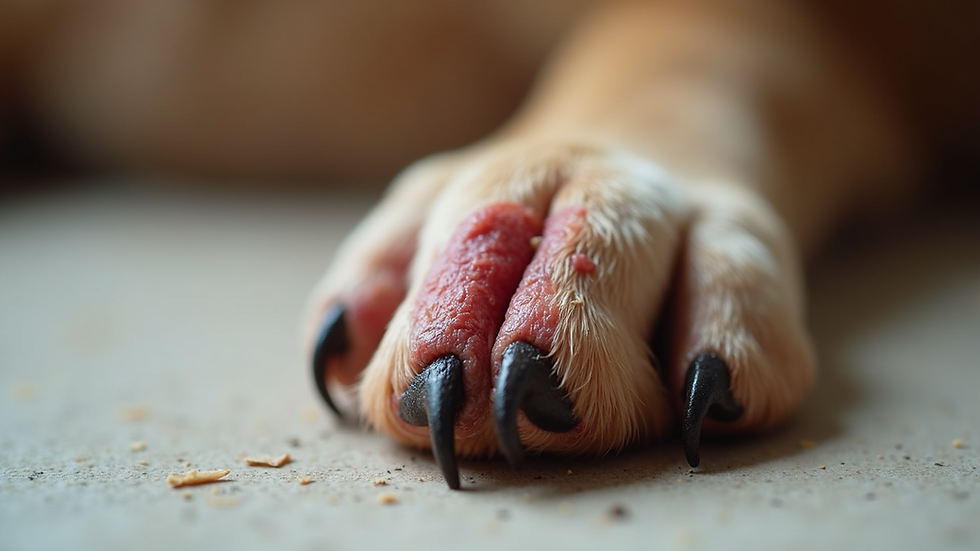
Yeast infections happen when the natural balance of microorganisms on your dog’s skin gets disrupted. Yeast, a type of fungus, can overgrow and cause irritation, redness, and a strong odour. These infections often appear in warm, moist areas like ears, paws, and skin folds.
Common signs include:
Itchy, red skin
Greasy or flaky patches
A musty smell
Licking or chewing at affected areas
Knowing these signs early helps you act quickly. Yeast infections can worsen if left untreated, so it’s important to start care as soon as you notice symptoms.
Essential Dog Skin Care Tips to Prevent Yeast Infections
Prevention is always better than cure. Keeping your dog’s skin clean and dry is the first step to avoiding yeast infections. Here are some practical dog skin care tips that I’ve found really helpful:
Regular grooming: Brush your dog’s coat often to remove dirt and loose hair. This helps air circulate and keeps the skin healthy.
Bathing routine: Use gentle, natural shampoos designed for dogs. Avoid harsh chemicals that can strip the skin’s natural oils.
Dry thoroughly: After baths or walks in wet weather, dry your dog’s skin completely, especially in folds and between toes.
Balanced diet: A healthy diet supports skin health. Include omega-3 fatty acids from fish oil or flaxseed to reduce inflammation.
Keep the environment clean: Wash bedding and toys regularly to reduce yeast spores in your dog’s surroundings.
These simple steps can make a big difference in your dog’s skin health and comfort.
What can I put on my dog's skin yeast infection?
When it comes to treating yeast infections naturally, there are several safe and effective options you can try at home. Here’s what I recommend putting on your dog’s skin to soothe irritation and fight yeast overgrowth:
Apple cider vinegar (diluted): Mix equal parts water and apple cider vinegar. Apply gently with a cotton ball to affected areas. It helps restore the skin’s pH balance and has antifungal properties.
Coconut oil: This natural oil is antifungal and moisturizing. Apply a thin layer to the infected skin to reduce itching and promote healing.
Aloe vera gel: Pure aloe vera soothes inflamed skin and supports repair. Make sure it’s free from additives or alcohol.
Oatmeal baths: Oatmeal is calming and can reduce itching. Grind plain oats into a powder and add to warm bath water for a soothing soak.
Calendula cream: Known for its healing properties, calendula can reduce redness and discomfort.
Always test a small area first to check for any allergic reactions. If your dog’s condition worsens or doesn’t improve in a week, consult your vet.

Supporting Your Dog’s Immune System Naturally
A strong immune system helps your dog fight off infections, including yeast. Here are some natural ways to boost your dog’s immunity:
Probiotics: Adding probiotics to your dog’s diet can balance gut flora and reduce yeast overgrowth. You can find probiotic supplements made specifically for dogs.
Herbal supplements: Herbs like turmeric and echinacea have anti-inflammatory and immune-supporting effects. Use these under vet guidance.
Regular exercise: Keeping your dog active improves overall health and immune function.
Stress reduction: Stress can weaken immunity. Create a calm, loving environment for your dog to thrive.
By supporting your dog’s body from the inside out, you help prevent recurring yeast infections.
When to Seek Professional Help
While natural treatments are great for mild yeast infections, some cases need professional care. If you notice any of these signs, it’s time to visit your vet or trusted groomer:
Persistent or worsening symptoms after a week of home treatment
Large areas of skin affected or open sores
Signs of pain or severe discomfort
Recurring infections despite preventive care
A vet can provide targeted treatments and check for underlying causes like allergies or hormonal imbalances. Also, professional groomers in Quinns Rocks can help maintain your dog’s skin health with personalized care tailored to your dog’s needs.
For more detailed advice on dog yeast infection skin treatment, check out trusted local resources.
Keeping Your Dog Comfortable and Happy
Treating yeast infections naturally is a journey that requires patience and care. Remember to be gentle with your dog and keep their comfort a priority. Here are some final tips to keep your dog happy during treatment:
Use soft, breathable bedding to avoid trapping moisture.
Keep your dog’s nails trimmed to prevent skin damage from scratching.
Offer plenty of fresh water and nutritious food.
Spend quality time with your dog to reduce stress and build trust.
With consistent care and love, your dog’s skin will heal, and they’ll be back to their playful, happy self in no time!
I hope these natural remedies and tips help you care for your dog’s skin health. Remember, every dog is unique, so tailor your approach to what works best for your furry friend. Here’s to happy, healthy skin and wagging tails!


It is evident that the argument is well substantiated by verifiable facts. Speculative language is notably absent from the claims. The website elaborates on the structural dimensions of the issue. Reach metrics are contextualised through multi-platform engagement data.